
My heading is awesome
Engineering the Blue Frontier : Superior Nutrition, Zero Ocean Depletion
The shift is no longer optional. Transition from extractive marine sourcing to Grubio’s precision-fermented Schizochytrium sp. solutions—where biotechnology meets environmental responsibility.
The Challenge: The Unsustainable Reality of Fish Oil
Traditional Omega-3 sourcing relies on “reduction fisheries,” a method that has reached its ecological and sanitary limits.
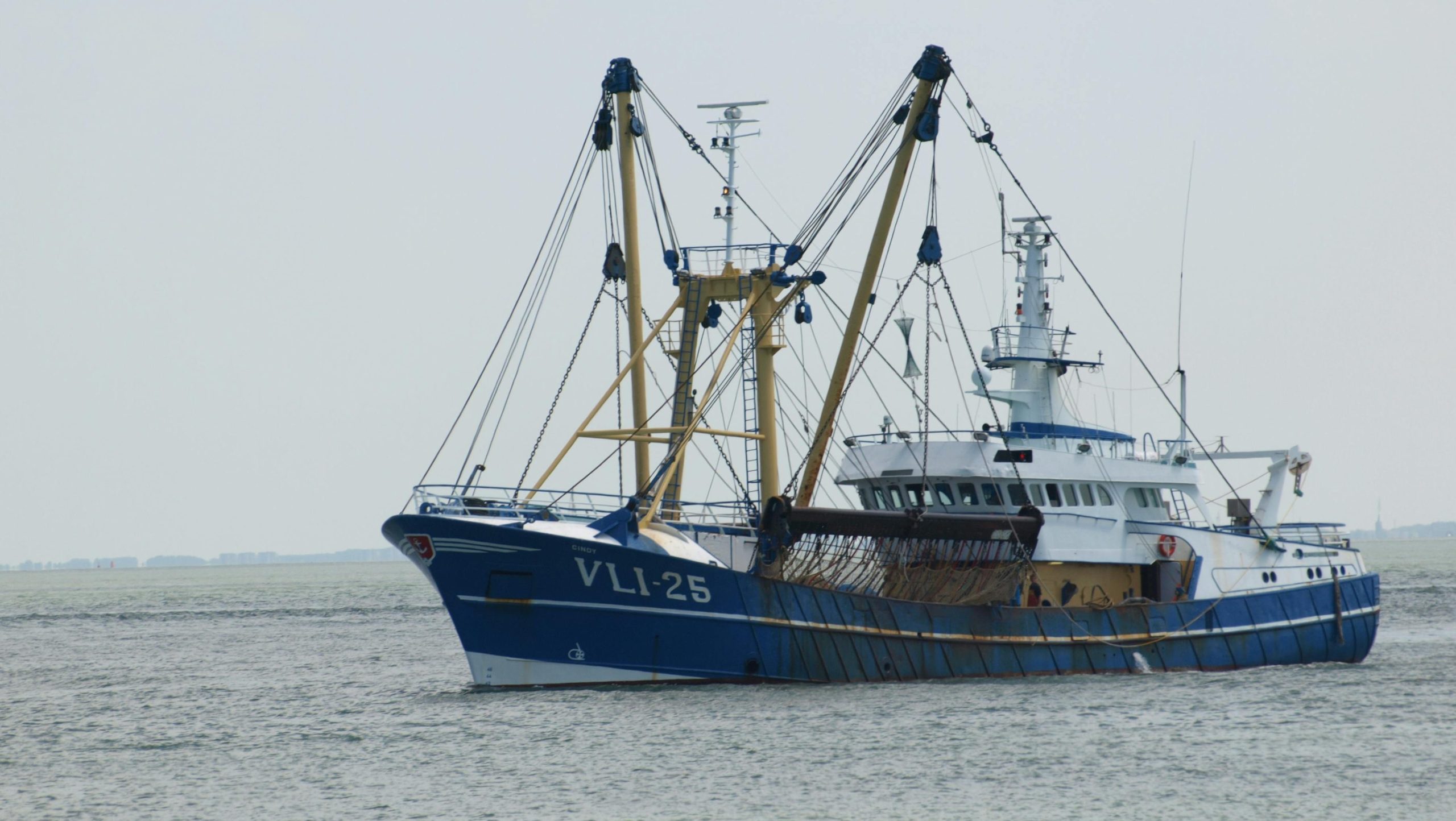
Marine Ecosystem Collapse:
Industrial fishing for oil and meal removes over 20 million tons of wild fish from the food chain every year.
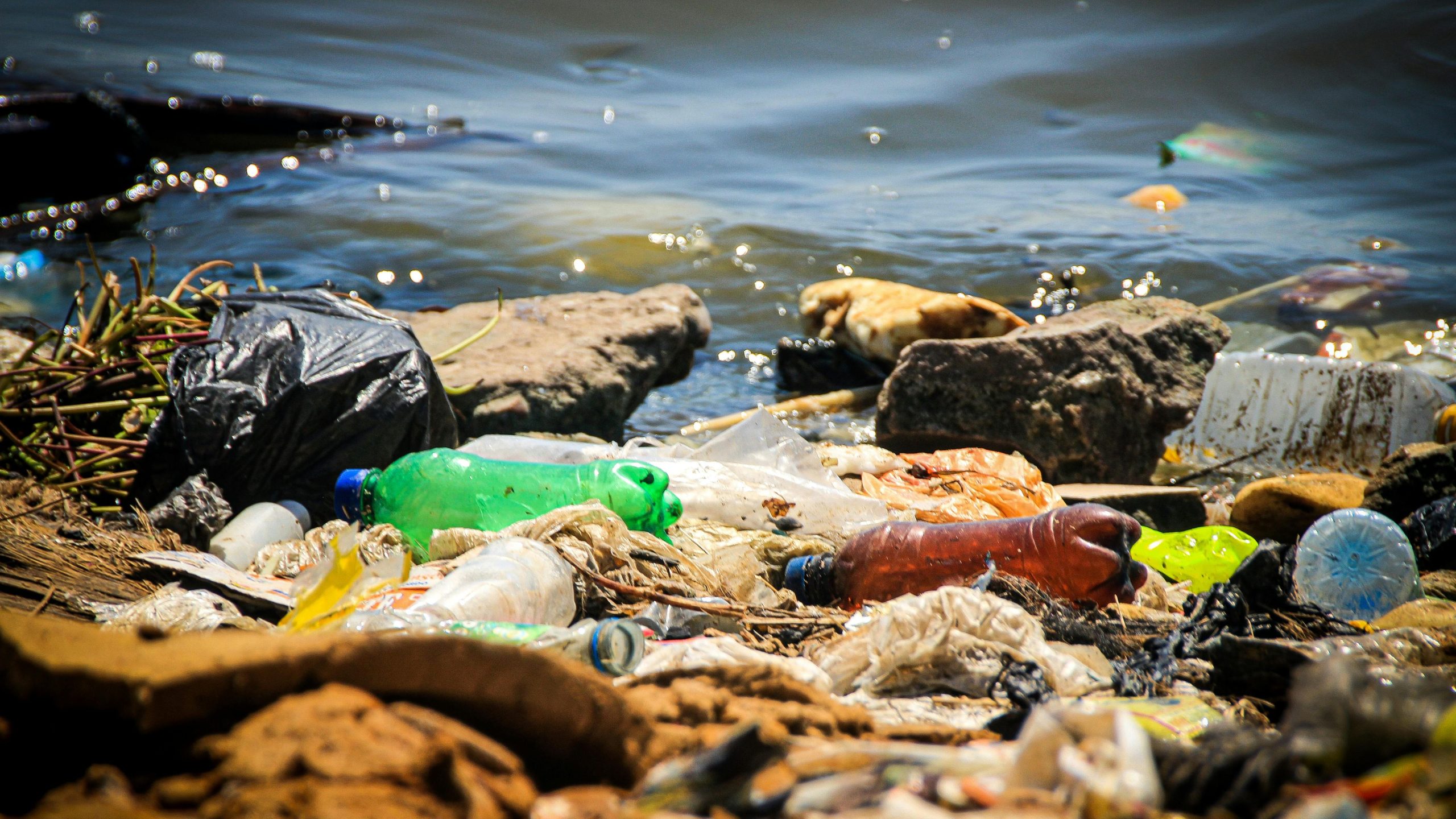
The Pollution Trap:
As oceans become more polluted, wild fish bio-accumulate heavy metals (mercury, lead), PCBs, and microplastics.

Supply chain risks
Fishing quotas and climate volatility make marine-sourced oil prices unpredictable and stockouts frequent.
The Challenge:
The Unsustainable Reality of Fish Oil
Traditional Omega-3 sourcing relies on “reduction fisheries,” a method that has reached its ecological and sanitary limits.
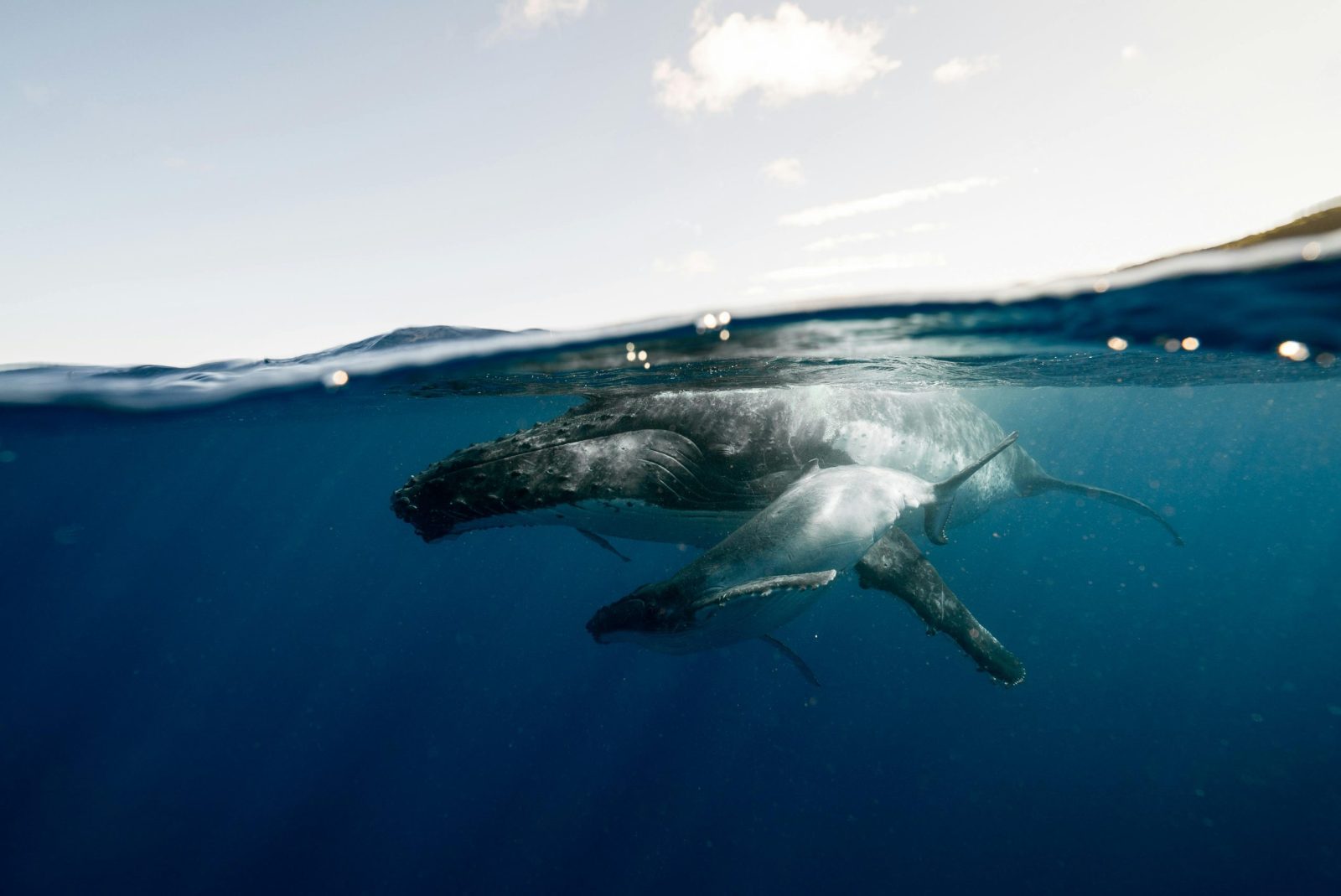
Ocean Preservation
(The 1:60 Ratio)
Our technology is 100% “Ocean-Friendly,” allowing the marine world to heal.
Measurable Impact: 1 ton of Grubio Algal Oil saves approximately 60 tons of wild fish.
Renewable Resource: Unlike fishing, our bioreactor production is infinite, scalable, and entirely decoupled from the depletion of natural stocks.
Absolute Purity
& Safety
By growing our algae in closed-loop systems, we guarantee a level of purity that the open ocean can no longer provide.
Heavy-Metal Free: Our oil is naturally free from mercury, lead, and arsenic.
Controlled Environment: No exposure to microplastics or environmental toxins.
Dual-Tier Testing: Every batch is double-verified by ISO-accredited labs to ensure total compliance with FDA and CE standards.
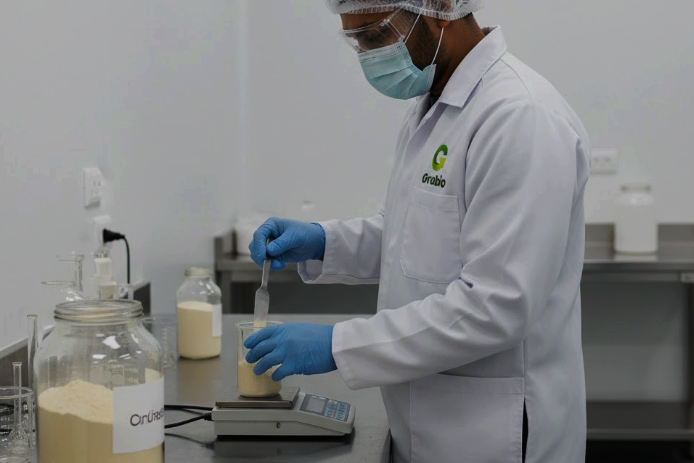
Our Expertise: Stability Through Micro-encapsulation
We bridge the gap between “Eco-friendly” and “High-performance” through advanced stabilization.
Odorless Innovation: We eliminate the “fishy” taste and smell for 100% acceptance in Pet Food and Human Wellness products.
Bio-Shield Technology: Our micro-encapsulation protects DHA from oxidation, ensuring a 24-month shelf life.
Seamless Integration: A stable, easy-to-mix powder format designed for modern industrial manufacturing.
Corporate Commitment: Vision 2030
Choosing Grubio Group means partnering with a leader committed to the UN Sustainable Development Goals. We empower brands to achieve their ESG (Environmental, Social, and Governance) targets through bio-innovation.
Strategic Resilience
Secure your supply chain with a stable-price, year-round resource.
Global Logistics
Operating from our strategic hubs in the UAE and Tunisia, we deliver sustainable excellence to North American and European markets.
More about fish oil industry impact
The 4 Global Impacts of Fish Oil Production
The traditional extraction of fish oil is no longer just a local concern; it is a global ecological crisis. To understand why Grubio Group pioneered the transition to Algal Oil, we must examine the four critical damages caused by industrial fishing:
Biodiversity Collapse (The Food Chain Disruption)
Industrial “reduction fisheries” target small pelagic fish (anchovies, sardines, krill) which are the primary food source for marine predators. By removing billions of these fish annually, the industry is effectively starving whales, dolphins, seals, and seabirds, leading to a rapid decline in marine megafauna.
Ecosystem “Dead Zones” (The Bottom-Trawling Effect)
Large-scale industrial fishing often involves methods that destroy the seafloor and coral reefs. This destruction disrupts the ocean’s natural ability to regenerate, creating vast “dead zones” where marine life can no longer survive. This loss of habitat is often irreversible on a human timescale.
Massive Carbon Emissions (The Blue Carbon Loss)
Ocean sediments are the world’s largest carbon sinks. When industrial nets disturb the seafloor, they release gigatons of stored CO2 back into the water and atmosphere. Furthermore, the massive fuel consumption of deep-sea fishing fleets creates a carbon footprint significantly higher than Grubio’s controlled fermentation process.
Human Food Insecurity (The Protein Diversion)
90% of the fish used for oil and meal are perfectly fit for human consumption. By diverting these high-quality proteins from local communities (particularly in West Africa and South America) to be processed into industrial oil, the industry exacerbates global hunger and disrupts local economies that rely on artisanal fishing.