
For decades, the global pet food, animal nutrition, and aquaculture industries have relied on a single traditional resource for essential Omega-3 fatty acids (specifically DHA and EPA): fish oil. Sourced primarily from wild-caught forage fish like anchovies and sardines harvested off the coasts of South America, this system is reaching a critical breaking point.
Today, a powerful convergence of ecological crises and market shifts is changing the game. Microalgae oil—specifically derived from Schizochytrium sp.—is no longer just an alternative; it is fast becoming the dominant economic and ecological savior of our oceans.
1. The El Niño Crisis: Why the Global Fish Oil Model is Breaking
The stability of the global fish oil industry is constantly threatened by climate phenomena like El Niño. Strong El Niño cycles warm ocean surface temperatures, driving vital pelagic fish into deeper, colder waters and drastically reducing catch limits.
Recent severe El Niño disruptions have sent shockwaves through South American fisheries, leading to historic plunges in global fish oil and fishmeal output. Because millions of tonnes of wild fish are scraped from the oceans just to feed livestock, pets, and farmed fish, these climate shocks immediately trigger severe supply deficits.
The direct consequence? A massive spike in market prices. With traditional fish oil costs climbing exponentially, manufacturers face a severe economic squeeze. Relying on the ocean as an infinite reservoir is no longer viable—financially or environmentally.
2. The Turning Point: Algal Oil Becomes Economically Competitive
For years, the primary barrier to completely replacing fish oil with microalgae was production scaling and cost. However, the market dynamics have shifted dramatically:
- Soaring Fish Oil Costs: As traditional fish oil prices continue to surge due to recurring climate restrictions and dwindling marine quotas, the cost gap between marine extraction and biotechnology has closed.
- The Rise of Schizochytrium sp.: Cultivated through controlled, heterotrophic fermentation in bioreactors, Schizochytrium sp. bypasses the ocean entirely. It yields high concentrations of pure DHA rapidly, predictably, and independently of weather patterns or ocean temperatures.
- A Viable Substitution: Because the price per tonne of traditional fish oil keeps climbing, Schizochytrium sp. algal oil has crossed the threshold into commercial competitiveness. It can now directly substitute a massive portion of the global fish oil market, offering brands a stable, predictable price model insulated from oceanic crises.
3. Saving the Oceans: The Unmatched Ecological Victory
Switching to microalgal oil does more than protect corporate supply chains from volatile commodity prices—it actively protects marine life:
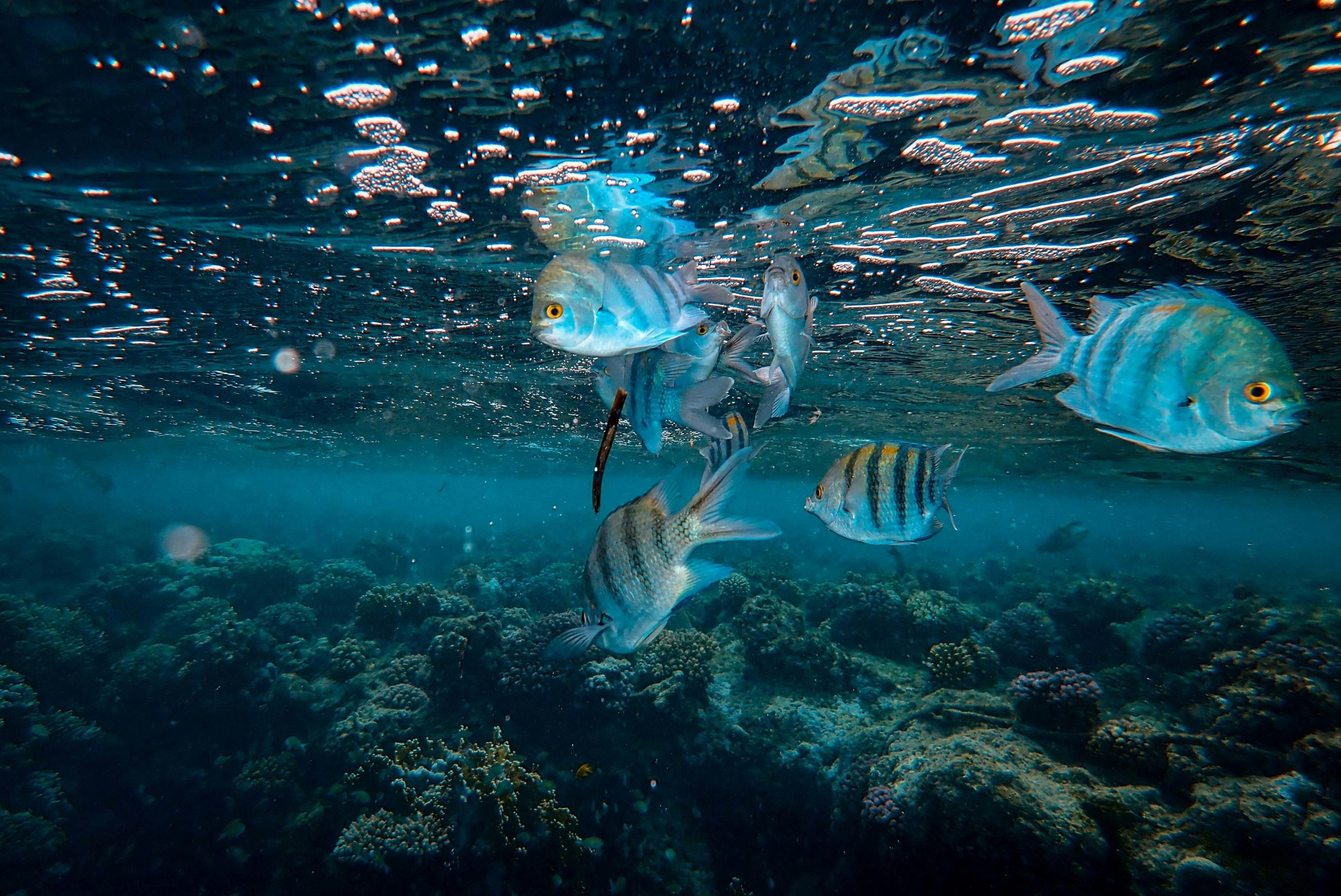
- Ending Overfishing: By shifting demand away from wild-caught forage fish, we allow marine food webs to recover, preserving food sources for larger fish, seabirds, and marine mammals.
- Zero Marine Pollutants: Unlike fish oils that routinely carry bioaccumulated heavy metals (mercury, lead) and industrial toxins (PCBs, microplastics), closed-loop fermented algal oil is 100% pure and pristine.
- Lower Carbon Footprint: Bioreactor cultivation requires a fraction of the geographical footprint and water resources of marine harvesting, delivering a truly sustainable, cruelty-free, and vegan-friendly Omega-3 solution.
Conclusion: A New Era for Pet Nutrition and Beyond
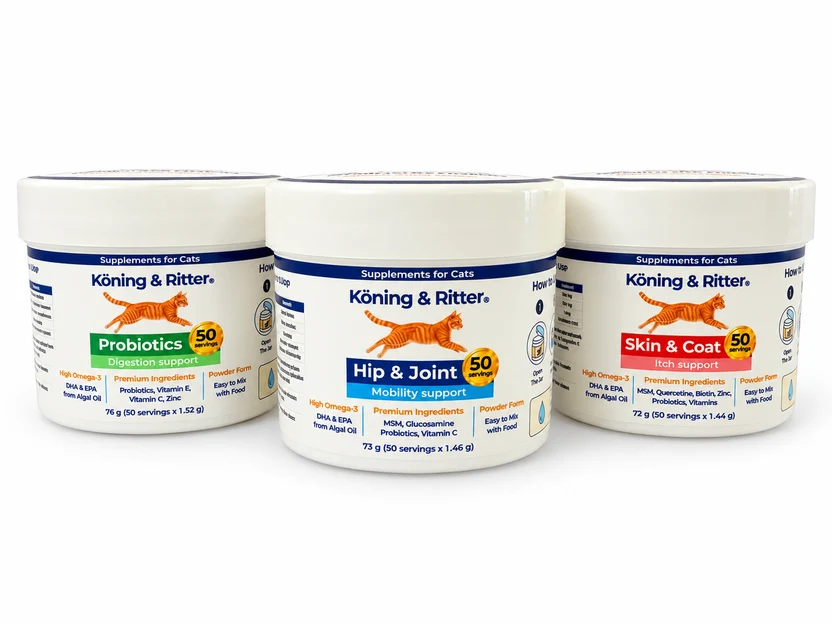
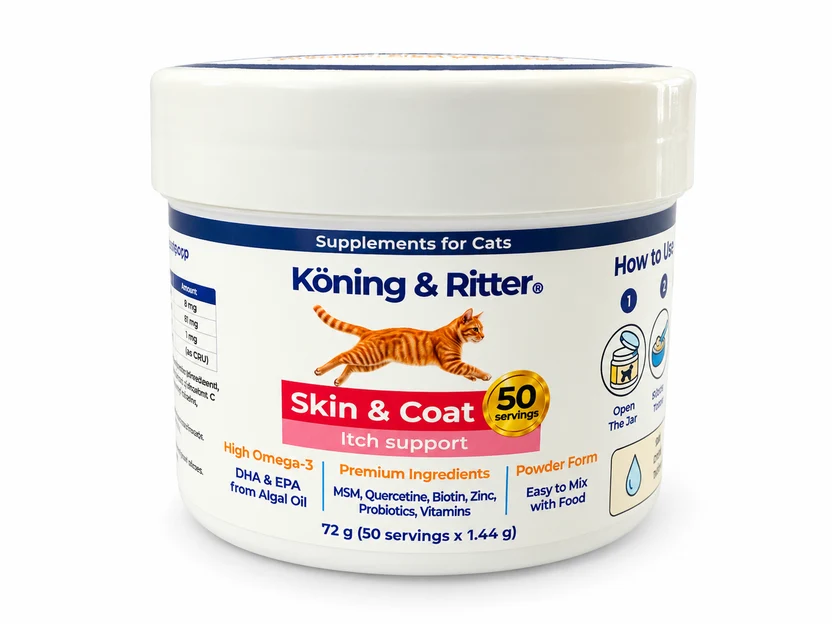
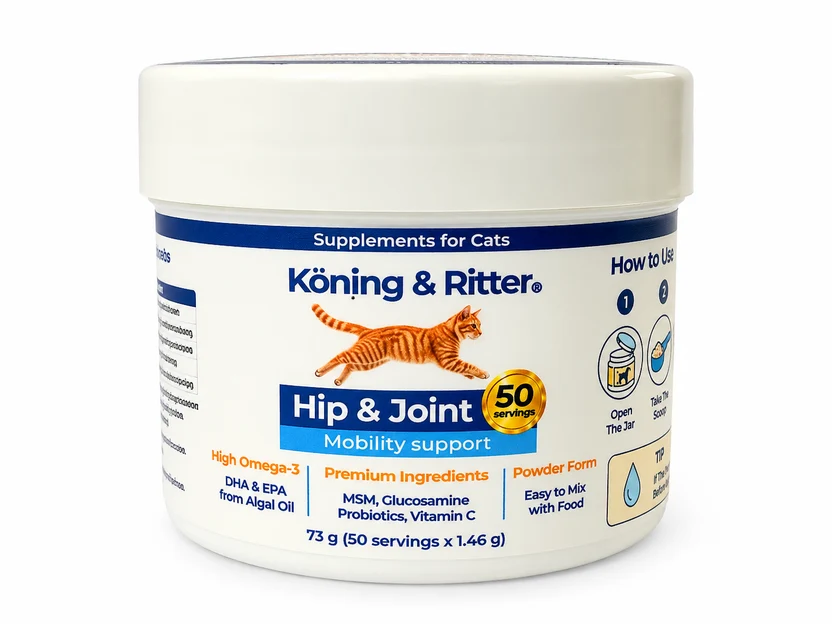
The economic reality is clear: as traditional fish oil grows increasingly expensive and unpredictable, biotechnology offers a cleaner, smarter path forward. By embracing Schizochytrium sp. algal oil solutions—such as those pioneered by forward-thinking brands like Köning & Ritter under Grubio Group—the pet food and animal nutrition industries can finally cut the cord on overfishing, secure their supply chains against climate shocks, and safeguard our oceans for generations to come.